



car warranty companies made clear for everyday drivers

Cars are complex. Repairs can be sudden. Car warranty companies try to turn uncertainty into a predictable plan, covering named parts or whole systems so you can focus on driving instead of guessing repair bills. The idea is simple; the details, less so.

How car warranty companies work

A company sells a service contract that pays for covered repairs after the factory warranty ends (or alongside it, in some cases). You pay monthly or upfront. They pay the repair shop for approved issues. That's the headline. The fine print decides the experience.

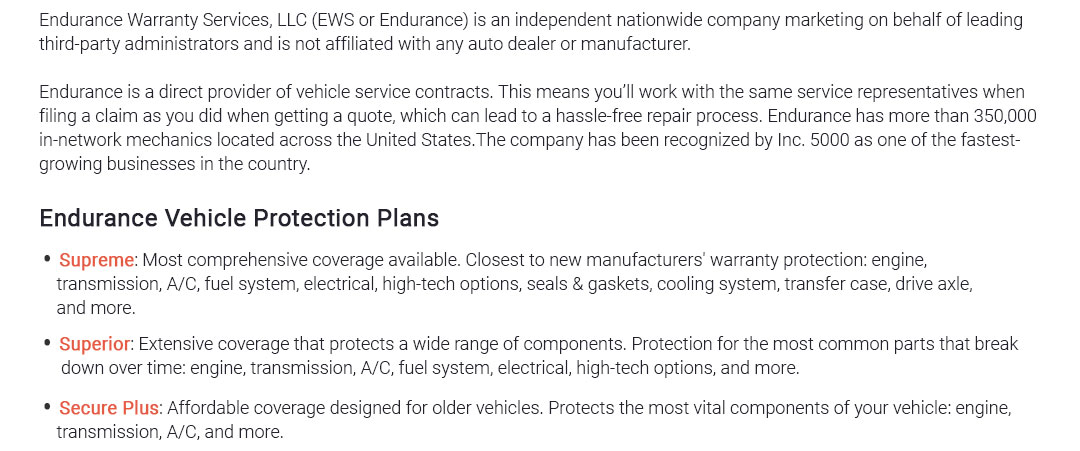
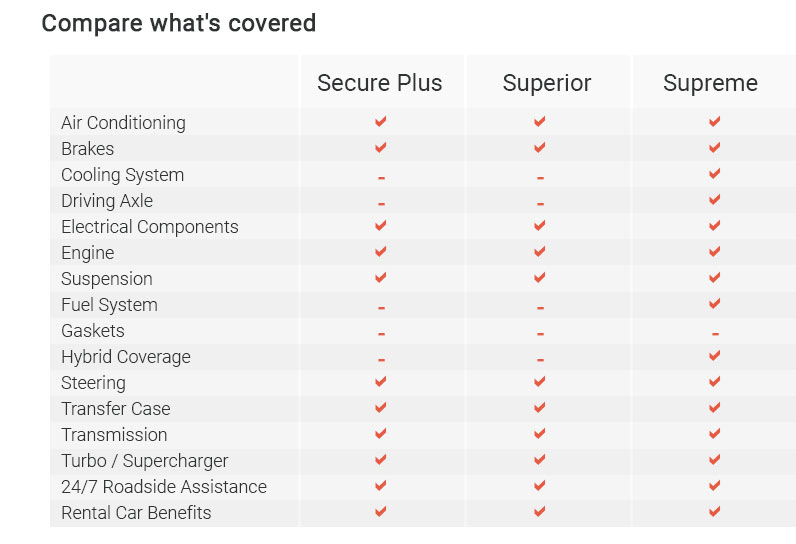
  • Coverage scope: From basic powertrain up to near-bumper-to-bumper exclusions plans.
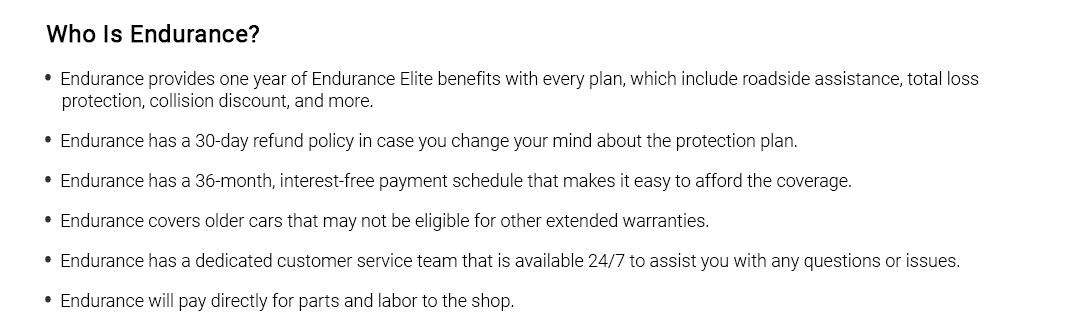
  • Provider type: Direct administrator vs. reseller/broker. Direct often means faster decisions.
  • Repair network: Some let you choose any certified shop; others require in-network mechanics.
  • Claim process: Pre-authorization is common. No pre-approval may void reimbursement.

Plan flavors in plain language

  • Powertrain: Engine, transmission, drive components. Lean cost, narrow protection.
  • Stated-component: A list of parts. If not listed, it's not covered.
  • Exclusionary: Lists what's not covered; everything else is. Easiest to understand at a glance.
  • Add-ons: Roadside, rental car, electronics, high-tech modules. Helpful, but watch caps.

Performance signals that actually matter

  • Claim speed: Average time from estimate to approval and payment.
  • Shop coordination: Does the company talk directly with the mechanic?
  • Clear documents: Sample contracts available before buying, with bold limits and exclusions.
  • Support hours: Breakdowns don't respect business hours.
  • Transparency on caps: Per-visit, per-component, and lifetime maximums stated up front.

Costs and what moves them

Price flexes with mileage, vehicle age, coverage level, deductible, and your region. High-tech cars push costs up. A modest deductible can lower the monthly bill without wrecking the claim experience.

Soft doubt: the parts that trip people up

  • Maintenance rules: Skip scheduled service and a claim can be denied.
  • Pre-existing issues: Anything noted before the waiting period ends is usually excluded.
  • Wear-and-tear: Not all plans cover it; some cap it tightly.
  • Diagnostics: Who pays if the issue isn't covered? Check the clause.

A quick real-world moment

On a rainy Tuesday, my neighbor Mia lost power steering on her commute. She called her car warranty company, who contacted a local shop, arranged a tow, and approved a rack-and-pinion repair the next afternoon. Smooth - though she still paid a deductible and learned her rental coverage had a daily cap she nearly exceeded.

How to file a claim without friction

  1. Stop driving if it risks damage; document the symptom briefly.
  2. Call the provider first for pre-authorization.
  3. Bring the car to an approved or qualified shop; share contract details.
  4. Have the shop submit the diagnosis and cost estimate.
  5. Wait for approval; confirm parts/labor rates and any caps.
  6. Pay your deductible; ensure the company pays the shop directly if possible.
  7. Keep receipts and notes for any reimbursement items.

Questions to ask before you commit

  • Is the company the administrator or just a seller?
  • What are the exclusions by component and by cause?
  • Are there claim caps per visit, per part, and in total?
  • What labor guide and rate do you use to pay shops?
  • How long is the waiting period and is an inspection required?
  • Can I use any ASE-certified shop? How is towing handled?
  • Is coverage transferable if I sell the car, and what's the fee?

Red flags worth pausing over

  • No sample contract until after you pay.
  • Pressure to "buy today only" discounts.
  • Ambiguous language around electronics or ADAS modules.
  • Huge list of required maintenance with vague proof rules.
  • Slow or outsourced claim decisions with limited hours.

Choosing with clarity and performance in mind

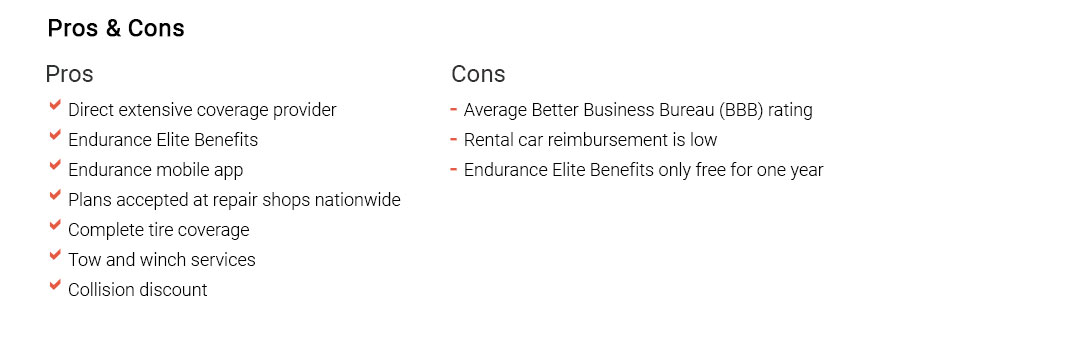
If your goal is predictable costs and minimal downtime, prioritize providers with direct administration, clear caps, and strong shop relationships. Compare two or three plans side by side; skim the marketing, but read the exclusions twice. The right fit should feel boringly clear.

Mini glossary

  • Administrator: The company that actually approves and pays claims.
  • Deductible: Your share per visit or per repair.
  • Exclusionary: Everything covered except what's listed as excluded.
  • Waiting period: Time/miles before coverage activates.

It's not magic protection; it's a rules-based service. With the rules visible, car warranty companies can deliver real value - and faster fixes - without surprises.

https://cars.usnews.com/cars-trucks/advice/which-automaker-has-the-best-warranty
Jaguar offers some of the best comprehensive warranty coverage of any luxury automaker for 2025. Its bumper-to-bumper coverage is good for five ...

https://www.youtube.com/watch?v=iIZf92dTS3U
Welcome to Shadetree Automotive We're here to provide you with expert automotive mechanical repair advice, in-depth car-buying tips, ...

https://gwcwarranty.com/
As the automotive industry's best-in-class provider of F&I solutions for used vehicles, GWC Warranty has helped deliver a No Worries, ...


atwratnwm
4.9 stars -1066 reviews